How to Make Bakkesmod Work Again
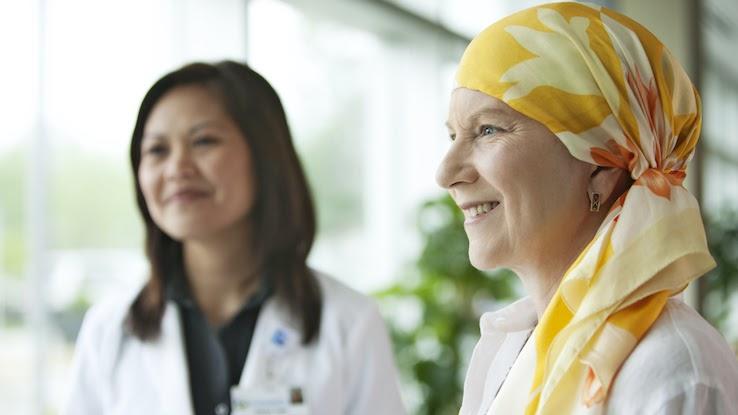
Cancer develops due to the uncontrollable growth of harmful cells or a tumor in the body. Types of cancer can differ based on the region where they grow in a person's trunk or the type of actual systems that are affected by that growth. Many people who are diagnosed with cancer are advised to undergo chemotherapy to treat the disease.
Approximately 650,000 patients with cancer receive outpatient chemotherapy in the U.S. each year. This type of treatment can exist very effective in eliminating or stopping the spread of cancer, but it does have some risks to consider as well. Larn the nuts virtually chemotherapy, including how it works, what to await when undergoing treatment and the potential side effects to consider.
What Is Chemotherapy?
Chemotherapy, oft referred to only equally "chemo," is the use of specific types of medication to treat cancer. In that location are more than than 100 chemotherapy drugs available that can be used individually or in different combinations to treat various types of cancer. These medications are developed to specifically target cells that are rapidly dividing and multiplying; some medications alter the harmful cancer cells' Dna, while others rely on blocking the chemical signaling that controls cell partitioning. Depending on the specific machinery of action, these drugs work past stopping or slowing the growth of cancer cells or by actually destroying the dividing cells.
Chemotherapy is different from radiations therapy and surgery in that chemotherapy affects a person'due south entire body, while radiations and surgery affect only the area of the body where the cancer is located. In many cases, chemotherapy is combined with surgery or radiation therapy to care for cancer. Chemotherapy can also care for bone marrow diseases and immune arrangement disorders.
Following a cancer diagnosis, chemotherapy can exist used for several purposes:
- Treating cancer: Sometimes chemo can destroy cancer cells to the point that cancer can no longer be detected in a patient'southward body. In many cases, the cancer cells won't grow back in one case the treatment has reached this signal.
- Decision-making cancer: Chemo can also be utilized to terminate or boring the spread of cancer to other parts of the body or kill cancer cells that accept already spread.
- Easing cancer symptoms: Chemo tin shrink tumors that are causing hurting or pressure. This is also known as palliative care.
What to Expect When Undergoing Chemotherapy
The specifics of your chemotherapy treatment will depend on the healthcare professional you're working with, the type and severity of the cancer you accept and the types of medications your wellness insurance covers, among other factors. You may receive your treatment at dwelling, in a dispensary, in a infirmary or in a healthcare professional's office. While some patients receive treatments daily, others but need them weekly or monthly. However, nigh professionals arrange for their patients to receive treatment in cycles to permit for periods when their bodies have time to rebuild good for you cells.
There are several ways doctors can administer chemotherapy drugs. Ask about these different options if yous have concerns nigh how yous'll receive your treatments:
- Oral: Yous may have the medications by mouth in pill, sheathing or liquid form.
- Topical: The drug is administered on your skin as a cream, gel or ointment.
- Continuous infusions: This process involves the use of an electronic IV pump that administers the drugs over a flow of one to seven days.
- Injections: The drugs may be injected into certain areas (the spinal canal, a muscle, an artery, etc.) to treat a more specific area of your body.
- Catheter: This involves inserting a catheter into your forearm or hand, and the chemotherapy drugs are injected into the catheter through a syringe. The catheter can be placed each time a treatment takes place. However, you might besides have a central venous catheter temporarily placed in your chest or upper arm for easy access at each treatment. This process can take just a few minutes.
- Four infusion: This is similar to a catheter except that the drugs are mixed into a solution and administered through tubing attached to the catheter. This takes between 30 minutes and a few hours to complete.
Potential Side Effects of Chemotherapy
Many of the side effects chemotherapy causes are a result of the drugs affecting your entire trunk (including salubrious cells) in add-on to the areas the cancer is affecting. Some vulnerable areas that are often afflicted by chemotherapy include the rima oris, intestines, cells responsible for pilus growth and os marrow.
The following are some potential side effects of chemotherapy:
- Loss of appetite
- Nausea or vomiting
- Easy bruising
- Fatigue
- Hair loss
- Anemia
- Fever
- Oral cavity sores
- Hurting
- Diarrhea or constipation
Your healthcare provider can help you lot find ways to manage or convalesce these side effects if yous experience them. For instance, certain dietary changes can help with diarrhea, and many people choose to buy wigs and scarves to encompass their heads subsequently experiencing hair loss.
Possible Health Risks of Chemotherapy
In addition to the side effects that may arise because of chemotherapy treatments, there are also a few possible long-term health risks that may announced during or later completion of your treatment. These risks include:
- Weakened immunity and increased gamble of infection
- Infertility
- Heart problems
- Kidney bug
- Nerve damage
- Damage to lung tissue
- Hazard of getting another type of cancer
Chemotherapy does come with risks, but it has also saved thousands of lives. It's important to consult with your healthcare provider about the pros and cons of chemo handling, learn how the drugs will exist administered and inquire about means to manage possible side furnishings.
Resources Links:
https://www.cancer.gov/most-cancer/treatment/types/chemotherapy
https://www.cancer.org/treatment/treatments-and-side-effects/treatment-types/chemotherapy.html
https://medlineplus.gov/cancerchemotherapy.html
https://www.mayoclinic.org/tests-procedures/chemotherapy/virtually/pac-20385033
https://www.cdc.gov/cancer/preventinfections/patients.htm
Source: https://www.symptomfind.com/healthy-living/chemotherapy?utm_content=params%3Ao%3D740013%26ad%3DdirN%26qo%3DserpIndex
0 Response to "How to Make Bakkesmod Work Again"
Post a Comment